

What is the best hair transplant method? A Comprehensive Guide

Overview of Hair Transplant Methods: What Is The Best Hair Transplant Method?

What is the best hair transplant method? – The journey of hair transplant techniques has been fascinating, evolving significantly over the decades. Initially, hair restoration began in the 1930s with basic punch grafting, which involved taking small sections of scalp and relocating them. Over time, the techniques have advanced, leading to more refined methods that prioritize natural-looking results and minimal scarring. Selecting the right hair transplant method is crucial as it greatly influences the overall outcome and aligns with individual needs.

A comparison of various techniques highlights the effectiveness and recovery times, helping patients make informed decisions.

Follicular Unit Extraction (FUE), What is the best hair transplant method?

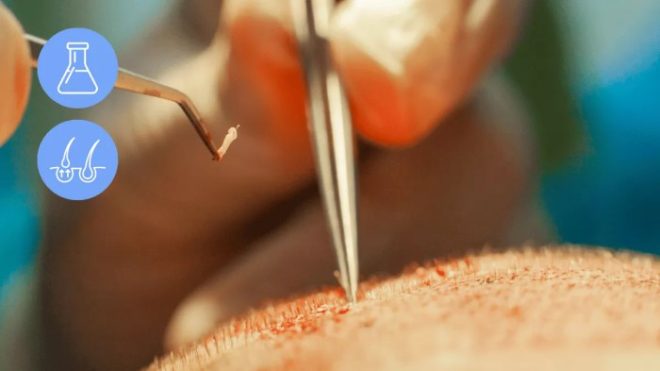
Follicular Unit Extraction (FUE) is a modern hair transplant technique that differs from its predecessors primarily in how the hair follicles are extracted. Instead of removing larger strips of skin as in older methods, FUE involves extracting individual hair follicles directly from the scalp using a specialized tool. This method has gained popularity due to its minimally invasive nature and reduced recovery times.

  • Advantages of FUE include minimal scarring and quicker recovery. Patients can often resume normal activities within a few days.
  • Disadvantages may include a higher cost and the potential for lower graft yield compared to Follicular Unit Transplantation (FUT).
Aspect FUE FUT
Scarring Minimal Linear scar
Recovery Time 3-7 days 10-14 days
Graft Yield Moderate High

Follicular Unit Transplantation (FUT)

Follicular Unit Transplantation (FUT) is a more traditional method that involves removing a strip of scalp from the donor area and then dissecting it into individual follicular units for transplantation. This approach can lead to a higher number of grafts in a single session, making it a preferred option for individuals with significant hair loss.

  • Benefits of FUT include a higher graft yield, which is advantageous for those seeking extensive coverage.
  • Drawbacks include a longer recovery time and the potential for a noticeable scar along the donor site.

Robotic Hair Restoration

Robotic hair restoration represents the cutting edge of hair transplant technology, utilizing advanced robotic systems to assist in the extraction and implantation of hair follicles. This method enhances precision and minimizes human error, leading to potentially better outcomes for patients.

  • Pros of robotic technology include improved accuracy in follicle extraction and less fatigue for the surgeon.
  • Cons may include the high cost of the technology and limited availability in certain areas.
Aspect Robotic Manual
Precision High Moderate
Recovery Time Similar to FUE Similar to FUT

Alternative Hair Restoration Methods

For those considering hair restoration, it’s essential to explore non-surgical alternatives as well, such as Platelet-Rich Plasma (PRP) therapy and hairpieces. These options can provide varying results and longevity compared to surgical methods.

  • PRP therapy utilizes the patient’s own blood components to stimulate hair growth, offering a natural solution with little downtime.
  • Hairpieces provide instant visual improvement but require ongoing maintenance.

Post-Transplant Care and Recovery

What is the best hair transplant method?

Post-operative care is vital for successful hair transplant outcomes. Patients must follow specific guidelines to ensure proper healing and optimal results after the procedure.

  • Managing pain and discomfort can be achieved through prescribed medications and cold compresses.
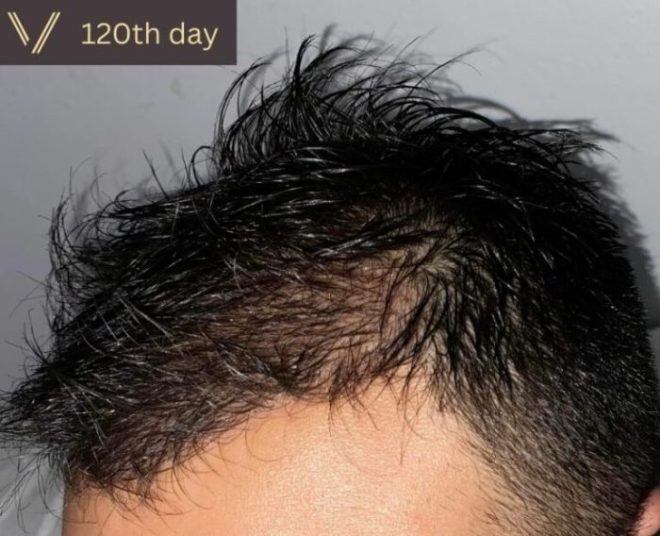
  • Patients should expect a healing timeline where initial swelling subsides within a week, and hair growth begins around three to four months post-transplant.

Cost Considerations

The financial aspect of hair transplantation varies significantly depending on the method chosen. Factors influencing costs include the technique, the number of grafts, and the clinic’s location.

Method Average Cost Expected Results
FUE $4,000 – $15,000 Natural look with minimal scarring
FUT $3,000 – $10,000 High graft yield with linear scar
Robotic $7,000 – $15,000 Precision results with advanced technology

Choosing the Right Clinic

Selecting a reputable hair transplant clinic is crucial for a successful outcome. Potential patients should look for clinics with proven track records and experienced professionals.

  • During consultations, questions about the surgeon’s experience, the technology used, and post-operative care protocols should be asked.
  • Qualifications to verify include board certification, documented success stories, and before-and-after photos of previous patients.

Real-Life Experiences and Testimonials

Hearing personal stories from individuals who have undergone hair transplant procedures can provide valuable insight into the process and its impact. Many report significant improvements in self-esteem and social interactions.

  • Common misconceptions include the belief that hair transplants look unnatural or that they are too painful.
  • Real experiences often highlight the effectiveness of modern techniques in achieving satisfactory results.

Yoga: A Holistic Approach to Health and Fitness

Yoga is a versatile practice that combines physical postures, breathing exercises, and meditation to promote physical fitness, mental clarity, and emotional balance. It improves flexibility, strength, and posture, while also providing benefits for stress reduction and mindfulness.

Through regular yoga practice, individuals can improve their range of motion, enhance breathing efficiency, and develop a deeper mind-body connection. Whether you’re practicing Hatha yoga, Vinyasa, or Yin yoga, the benefits are substantial for both the body and the mind.

Yoga is accessible for people of all fitness levels and can be adapted to individual needs, making it an excellent addition to any fitness routine.

Mental Health Benefits of Physical Activity

Physical activity isn’t just good for the body—it’s also crucial for mental health. Regular exercise helps manage stress, anxiety, and depression. During exercise, the body releases endorphins, often referred to as “feel-good” hormones, which help improve mood and reduce feelings of stress.

Physical activity also helps with sleep, promotes cognitive function, and boosts self-esteem. Many people who struggle with mental health challenges report feeling more focused, energized, and positive after consistent physical activity.

Whether it’s a brisk walk, yoga, or a high-intensity workout, staying active is a natural way to boost mental well-being and improve your overall quality of life.