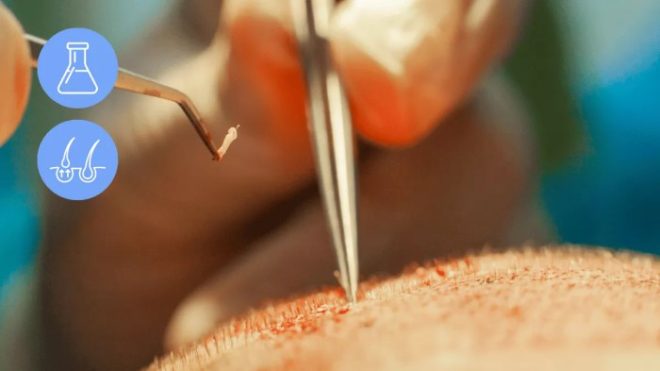
Can Hair Transplant Results Look Natural?

Can hair transplant results look natural? – Hair transplantation has gained significant traction as a popular solution for individuals experiencing hair loss. The primary purpose of hair transplants is to restore hair to areas on the scalp that have thinned or completely lost hair, thereby enhancing one’s appearance and boosting self-esteem. Over the years, the techniques employed in hair transplantation have evolved dramatically, shifting from invasive surgical methods to more refined, minimally invasive approaches.
Achieving natural-looking results is paramount in hair restoration, as it directly impacts patient satisfaction and overall success of the procedure.
Introduction to Hair Transplant
Hair transplant procedures have come a long way since their inception. Initially, techniques were rudimentary, often resulting in noticeable ‘pluggy’ appearances. As medical technology advanced, so did the methods used in these procedures. Important milestones have included the transition from large hair grafts to smaller follicular units, which better mimic natural hair growth patterns. The significance of achieving a natural look cannot be overstated, as it helps blend the transplanted hair seamlessly with existing hair, enhancing overall aesthetics.
Factors Influencing Natural Hair Transplant Results
Several factors contribute to the natural appearance of transplanted hair. Understanding these factors is essential for both practitioners and patients. Key considerations include:
- Hairline Design: The placement and shape of the hairline are critical. A well-designed hairline that follows natural growth patterns can significantly enhance the overall look.
- Matching Hair Color and Texture: Ensuring that the transplanted hair matches the color and texture of the existing hair is vital for achieving a cohesive appearance.
- Density of the Transplanted Hair: The number of grafts transplanted per square inch can affect the perceived naturalness; too few may look sparse, while too many can appear unnatural.
Techniques Used in Hair Transplants, Can hair transplant results look natural?
The methods required for hair transplants have diversified, offering patients various options. Two of the most common techniques are:
- Follicular Unit Transplant (FUT): This method involves removing a strip of scalp from the donor area, which is then dissected into individual follicular units for transplantation. FUT is effective for larger areas of hair loss, but may leave a linear scar.
- Follicular Unit Extraction (FUE): In this technique, individual follicles are extracted directly from the scalp, leaving no linear scar. FUE is less invasive and offers quicker recovery times, making it a popular choice among patients.
While both methods have their merits, FUE is often favored for its minimally invasive nature and natural-looking results.
The Role of the Surgeon
The qualifications and experience of the surgeon performing hair transplants play a crucial role in the outcome. A skilled surgeon not only understands the technical aspects of the procedure but also possesses the artistry to create natural-looking results. During pre-surgical consultations, patients should discuss their expectations and the surgeon’s approach, which can aid in achieving the desired aesthetic outcome.
Post-Transplant Care and Its Impact
Aftercare is essential for successful healing and hair growth following a transplant. Key post-transplant care steps include:
- Avoiding Strenuous Activities: Patients should refrain from heavy exercise for at least a week to prevent stress on the scalp.
- Using Appropriate Hair Care Products: Gentle shampoos and conditioners help maintain the health of both existing and transplanted hair.
- Regular Follow-ups: Scheduling follow-up appointments with the surgeon is crucial to monitor progress and address any concerns.
Common mistakes to avoid include manipulating the transplanted area and neglecting proper hygiene, which can lead to complications. A typical healing process spans several months, with visible growth usually noticeable around the three to six-month mark.
Patient Testimonials and Experiences
Patient experiences can significantly vary, highlighting the spectrum of outcomes associated with hair transplants. Many patients express satisfaction with their results, especially when expectations align with reality. However, some may face disappointment due to unrealistic expectations or insufficient communication with their surgeons. Analyzing testimonials can offer insights into the natural outcomes achieved by different individuals. Case studies often reveal that while some patients enjoy seamless integration of transplanted hair, others may face issues that require further treatment.
Myths and Misconceptions About Hair Transplants
Numerous myths surrounding hair transplants can cloud patient judgment. For instance, some believe that hair transplants are only for older individuals, when in fact, younger patients can also benefit significantly. Other myths include the idea that all hair transplant results look unnatural. Debunking these misconceptions is essential to help patients make informed decisions. Understanding the advancements in techniques and technology can also dispel doubts regarding the effectiveness and naturalness of hair transplants.
Advances in Hair Restoration Technology
The field of hair restoration continues to grow with several innovations enhancing the capabilities of hair transplants. Recent advancements include:
- Robotic Assistance: Robotic systems are now used in FUE procedures, allowing for greater precision and reduced risk of human error.
- Improved Graft Preservation Techniques: New methods of preserving grafts during extraction and implantation ensure higher survival rates and better growth post-procedure.
- Scalp Micropigmentation: This technique mimics the appearance of hair follicles and can be combined with transplants for enhanced results.
These technological advancements contribute significantly to achieving more natural and satisfactory outcomes for patients, setting higher standards within the industry.