



Understanding Hair Transplants: How To Choose A Hair Transplant Clinic In Turkey?
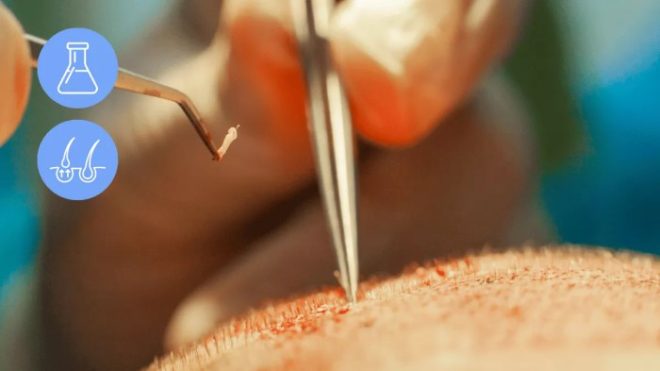
How to choose a hair transplant clinic in Turkey? – Hair transplants have gained immense popularity, especially in Turkey, where advanced medical facilities and skilled professionals make them accessible and reliable. It’s essential to grasp the different types of procedures available to make an informed decision. The primary methods are Follicular Unit Transplantation (FUT) and Follicular Unit Extraction (FUE). FUT involves removing a strip of scalp to extract hair follicles, while FUE extracts individual follicles directly from the scalp.
Each method has its own advantages and is suited for different types of hair loss.Understanding hair loss is crucial before opting for a transplant. Factors such as genetics, hormonal changes, and lifestyle can influence hair thinning and loss. According to recent studies, hair transplants boast a success rate of over 90% when performed by experienced surgeons, making them a feasible solution for those seeking to restore their hair.
Importance of Choosing the Right Clinic
Selecting the right clinic is paramount for a successful hair transplant experience. An inadequate clinic can lead to several risks, including unsatisfactory results, complications, and even health issues. Well-established clinics in Turkey are known for their expertise and success, often utilizing the latest technologies to ensure optimal outcomes.The right clinic not only ensures better results but also provides comprehensive care throughout the process.
They typically have a team of experienced professionals who understand the intricacies of hair restoration, significantly impacting the final outcome.
Researching Clinics in Turkey
When researching hair transplant clinics, it is vital to have a structured approach. Here’s a checklist to guide your research:
- Verify clinic accreditation and certifications.
- Check the experience and qualifications of the surgeons.
- Review patient testimonials and before-and-after photos.
- Assess the technology and techniques used in procedures.
- Compare costs and packages available.
Gathering information on a clinic’s reputation is crucial. Key factors include the number of successful surgeries performed, patient satisfaction rates, and the clinic’s standing in the medical community. A comparison table of top clinics can aid in your decision-making process.
| Clinic Name | Success Rate | Patient Reviews | Average Cost |
|---|---|---|---|
| Clinic A | 95% | 4.8/5 | $2,500 |
| Clinic B | 90% | 4.5/5 | $2,000 |
| Clinic C | 92% | 4.7/5 | $3,000 |
Credentials and Certifications
When evaluating clinics and surgeons, specific qualifications and certifications are essential. Look for medical professionals who are members of reputable organizations, such as the International Society of Hair Restoration Surgery (ISHRS). International accreditations indicate that clinics adhere to global standards in healthcare, enhancing patient safety and care quality.To verify the credentials of medical professionals in Turkey, patients can utilize online resources and databases that list qualified surgeons and their certifications.
Reading reviews from previous patients can also provide insights into a surgeon’s skills and professionalism.
Patient Reviews and Testimonials
Patient testimonials play a significant role in choosing a hair transplant clinic. They provide real insights into other people’s experiences, which can guide potential patients in their decisions. Finding credible reviews online requires a strategic approach; look for reviews on medical forums, social media platforms, and dedicated healthcare review sites. To analyze patient feedback effectively, consider the following structure:
- Overall satisfaction rating.
- Specific comments on the procedure and results.
- Feedback on post-operative care and support.
- Visual results shared by patients through photos.
This method will help gauge the overall quality and success of the clinic.
Cost and Financing Options, How to choose a hair transplant clinic in Turkey?

The average cost of hair transplants in Turkey is considerably lower than in many Western countries, often ranging from $1,500 to $4,000, depending on the procedure. This cost-effectiveness, combined with high-quality services, makes Turkey a popular destination for medical tourism.Several financing options are available for patients considering hair transplants. Clinics often provide flexible payment plans that can accommodate different budgets.
Here’s a breakdown table for different procedures and packages offered by various clinics:
| Procedure | Average Cost | Included Services |
|---|---|---|
| FUE | $2,500 | Consultation, post-op care |
| FUT | $1,800 | Consultation, aftercare products |
| PRP Therapy | $800 | Consultation, follow-up sessions |
Post-Procedure Care and Support
Post-operative care is crucial for ensuring the success of a hair transplant. Patients should expect to follow a specific aftercare routine to promote healing and hair growth. Choosing a clinic that provides comprehensive follow-up care is essential, as this support can significantly impact recovery. Clinics may offer services such as regular check-ups and access to medical advice post-procedure.A list of essential aftercare products typically recommended by clinics includes:
- Medicated shampoos.
- Topical treatments to promote healing.
- Supplements to support hair growth.
Travel Considerations for Overseas Patients
For international patients looking to undergo hair transplants in Turkey, planning travel arrangements is crucial. This includes booking flights, arranging transportation from the airport to the clinic, and understanding local customs and practices.Legal and health precautions should also be taken into consideration. Patients should ensure they have valid visas and are aware of any health advisories for travelers. Accommodation options near clinics can significantly affect the patient experience.
Many clinics partner with nearby hotels to offer special rates for patients, ensuring a comfortable stay during the recovery phase. Proximity to the clinic can also facilitate post-procedure check-ups and consultations.