



What are the risks of hair transplant surgery?

Risks Involved in Hair Transplant Surgery: What Are The Risks Of Hair Transplant Surgery?

What are the risks of hair transplant surgery? – Hair transplant surgery is becoming an increasingly popular option for those dealing with hair loss. However, like any surgical procedure, it comes with its own set of risks and potential complications. Understanding these risks is essential for anyone considering this type of surgery, as it helps set realistic expectations and better prepare for the journey ahead. The most common risks associated with hair transplant surgery include infection, scarring, and unnatural-looking results.

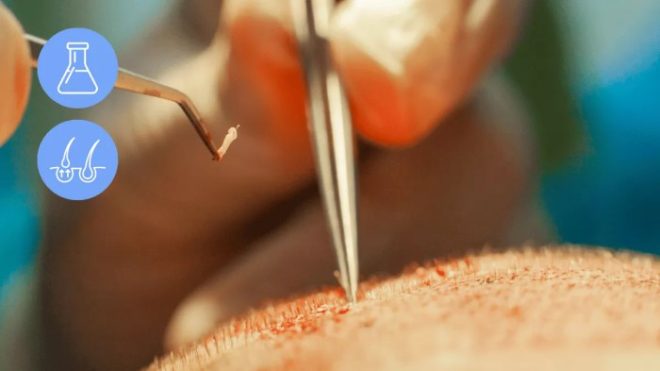
It’s important to consider these factors carefully. Complications may arise during the procedure, such as an improper hair follicle extraction, which could lead to uneven results or minimal hair growth in the transplanted areas. Long-term effects could also manifest, including persistent redness or inflammation in the scalp, which may require further treatment.

Surgical Risks and Side Effects

Anesthesia is a critical component of hair transplant surgery, and while it generally is safe, it can still pose risks. Side effects from anesthesia can range from mild reactions, such as nausea and dizziness, to more severe issues like respiratory complications. Infection risks are also a significant concern. The scalp is sensitive, and any breach in the skin can lead to infections that may not only complicate recovery but also affect the overall success of the transplant.

Moreover, there is a likelihood of bleeding or hematoma formation post-surgery, which can lead to further complications and may require additional medical attention.

Psychological Impact of Hair Transplant

The emotional toll of hair loss is substantial, and undergoing a hair transplant can bring its own set of psychological risks. The expectations of patients play a crucial role in their satisfaction with the outcomes. If results do not meet the anticipated goals, it may lead to feelings of disappointment and frustration.Moreover, there is potential for increased levels of anxiety or depression related to both hair loss and the perceived success of the surgery.

It’s essential for candidates to have realistic expectations and to discuss their mental health concerning their hair restoration journey with healthcare professionals.

Financial Risks and Considerations, What are the risks of hair transplant surgery?

The financial implications of hair transplant surgery can be significant. The initial cost of the procedure is often just the beginning. Patients should be prepared for potential additional surgeries if the first outcome is not satisfactory, leading to further financial strain. Managing complications from the surgery can also add to overall costs, including follow-up treatments to address issues such as infections or poor hair growth.

Insurance coverage for hair transplant procedures is typically limited, as many policies classify it as a cosmetic surgery, leaving patients to shoulder the financial burden.

Alternative Treatments and Comparisons

Comparing the risks of hair transplant surgery with alternative hair restoration methods can provide valuable insights for potential candidates. Non-surgical options, such as medication and laser therapy, have their pros and cons. Here’s a comparison table that summarizes the effectiveness and risk levels of various treatments:

Treatment Method Effectiveness Risk Level
Hair Transplant Surgery High Moderate to High
Medication (e.g., Finasteride) Moderate Low to Moderate
Laser Therapy Low to Moderate Low

This comparison indicates that while hair transplant surgery offers high effectiveness, it also carries moderate to high risks, unlike some non-surgical methods that may be safer but less effective.

Post-Operative Care and Risk Mitigation

What are the risks of hair transplant surgery?

Post-operative care is crucial in minimizing risks after hair transplant surgery. Proper care can significantly reduce the likelihood of complications and ensure a smoother recovery process. Patients are recommended to follow specific aftercare procedures, such as keeping the scalp clean, avoiding direct sunlight, and adhering to any medication prescribed to manage pain or prevent infection. Additionally, patients should be aware of strategies to minimize side effects, such as avoiding strenuous activities and following dietary guidelines to support healing.

Is hair transplant in Turkey worth it? A Comprehensive Look

Overview of Hair Transplant in Turkey: Is Hair Transplant In Turkey Worth It?

Is hair transplant in Turkey worth it? – Turkey has emerged as a leading destination for hair transplants, attracting thousands of international patients each year. This growth is largely due to the combination of high-quality medical services, experienced surgeons, and competitive pricing. The hair transplant industry in Turkey has gained a reputation for its advanced techniques and successful outcomes, making it a top choice for those seeking to address hair loss.

Several factors contribute to Turkey’s popularity for hair transplants, including the country’s strategic location, which makes it easily accessible from various parts of the world. Additionally, Turkish clinics offer comprehensive packages that often include transportation, accommodation, and aftercare, making the entire process hassle-free for international patients. The types of hair transplant techniques commonly practiced in Turkey include Follicular Unit Extraction (FUE) and Follicular Unit Transplantation (FUT), both known for their effectiveness and minimal scarring.

Cost Comparison

When considering hair transplants, cost can be a significant factor. Turkey offers a more affordable option compared to many Western countries without compromising on quality. The price of a hair transplant in Turkey is often significantly lower than in the US or Europe, making it an attractive choice for those on a budget.

Country Average Cost
Turkey $1,500 – $3,000
United States $4,000 – $15,000
United Kingdom $3,000 – $10,000
Germany $3,500 – $12,000

Choosing Turkey for hair transplants can result in substantial financial savings, allowing patients to invest the difference in other aspects of their care or post-operative lifestyle.

Quality of Care and Standards, Is hair transplant in Turkey worth it?

Is hair transplant in Turkey worth it?

The quality of care in Turkish hair transplant clinics is regulated by stringent medical standards and guidelines. Many clinics are accredited by international organizations, ensuring that they adhere to high levels of safety and patient care. Surgeons in Turkey often boast impressive qualifications, with many having trained and practiced abroad.Patient safety is a top priority, and the accreditation of clinics plays a crucial role in maintaining these standards.

The presence of modern equipment and adherence to hygiene protocols further enhance the overall safety and success rate of hair transplant procedures in Turkey.

Patient Experiences

Patient testimonials highlight a range of experiences from individuals who have undergone hair transplants in Turkey. Many report satisfaction with the results and the professionalism of the staff. The common positive experiences include:

  • High-quality results and natural-looking hairlines.
  • Friendly and supportive medical staff.
  • Comprehensive packages that simplify the process.

However, some patients also share negative experiences, such as:

  • Miscommunication regarding the procedure details.
  • Post-operative care instructions that lacked clarity.
  • Variability in results based on individual factors.

Factors influencing satisfaction include the expertise of the surgeon, pre-and post-operative care, and the patient’s expectations.

Procedures and Techniques

In Turkey, two primary hair transplant techniques are widely practiced: FUE and FUT.

Technique Pros Cons
FUE No linear scar, quicker recovery Longer procedure time
FUT Can extract a larger number of grafts Linear scar, longer recovery time

The duration and recovery times vary, with FUE generally taking about 6-8 hours and offering a quicker recovery, whereas FUT may take longer but allows for more grafts to be transplanted in a single session.

Post-Operative Care

Post-operative care is critical for ensuring the best results after a hair transplant. Patients are typically advised to follow specific aftercare practices to promote healing and hair growth.A detailed list of dos and don’ts includes:

  • Do keep the scalp clean and avoid touching the grafts.
  • Don’t expose the scalp to direct sunlight for at least a few weeks.
  • Do follow the prescribed medication regimen as directed.
  • Don’t engage in strenuous activities that may cause sweating.

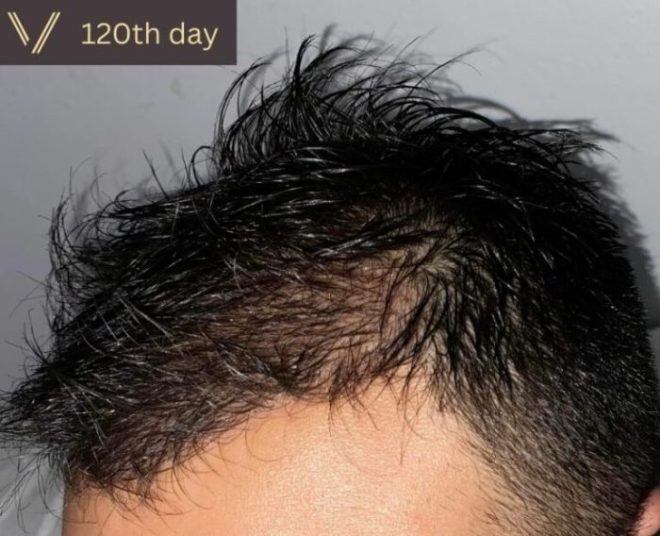
Patients can expect to see noticeable hair growth within three to six months, with the final results often visible after a year.

Risks and Considerations

As with any medical procedure, there are risks associated with hair transplants in Turkey. Potential complications can include infection, scarring, and dissatisfaction with results. It is crucial for patients to conduct thorough research before selecting a clinic, ensuring that they choose one with a solid reputation and positive reviews.The psychological impact of hair loss can also be significant, and surgical interventions have helped many individuals regain confidence and improve their overall quality of life.

Travel and Logistics

For international patients seeking hair transplants in Turkey, travel arrangements can be straightforward. Many clinics provide assistance with flight bookings, airport transfers, and accommodation options near the clinic.It is advisable to research hotels or facilities that cater specifically to medical tourists, offering proximity to clinics and amenities tailored for recovery. The overall experience of traveling to Turkey for a hair transplant is often enhanced by the welcoming culture and the opportunity to explore a vibrant country while receiving care.

How much does a hair transplant cost in Turkey?

Overview of Hair Transplant Costs in Turkey: How Much Does A Hair Transplant Cost In Turkey?

How much does a hair transplant cost in Turkey? – The cost of hair transplants in Turkey has gained significant attention due to its affordability compared to many Western countries. On average, the price for a hair transplant procedure in Turkey ranges from $1,500 to $3,500. This is considerably lower than the costs found in Europe or the US, where similar procedures can exceed $10,000. Various factors influence these prices, including the clinic’s reputation, the surgeon’s experience, and the specific techniques used during the procedure.In breaking down the costs, the structure typically includes three main components: the initial consultation, the procedure itself, and post-operative care.

The consultation fee generally ranges from $50 to $150, while the procedure, depending on the technique, can vary widely. Aftercare includes follow-up visits and necessary medications, which may add an additional $200 to $500 to the total cost.

Comparison with Other Countries

When comparing hair transplant costs, Turkey stands out as a significantly more affordable option. In countries like the US and parts of Europe, patients may find themselves paying anywhere from $8,000 to $15,000 for a similar procedure. The affordability in Turkey is attributed to lower overall costs of living, competitive clinic pricing, and the availability of advanced technology and experienced professionals.Additionally, the quality of services in Turkey is often comparable to those in more expensive countries.

Many clinics employ internationally trained specialists and are equipped with state-of-the-art technology. The high volume of patients seeking hair transplants in Turkey has also fostered a competitive market, driving prices down without compromising quality.

Types of Hair Transplant Procedures

Turkey offers various hair transplant techniques, each with its specific advantages and pricing. The two most common methods are Follicular Unit Extraction (FUE) and Follicular Unit Transplantation (FUT).

Procedure Cost Range (USD) Benefits Drawbacks
FUE $1,500 – $3,500 Minimally invasive, less scarring, quicker recovery Can be more time-consuming
FUT $1,200 – $2,500 Cost-effective for larger areas, high yield of follicles More visible scarring, longer recovery

Both procedures have their place, depending on the patient’s needs, hair loss severity, and budget.

Package Deals and Offers

Many clinics in Turkey offer attractive package deals for hair transplant procedures, which typically include a variety of services that enhance the overall experience. These packages often consist of the procedure itself, consultation fees, transportation from the airport, accommodation, and post-operative follow-ups.A sample package might look like this:

Package Option Components Included
Standard Package Procedure, 1-night hotel stay, airport transfers, follow-up consultation
Premium Package Procedure, 3-night hotel stay, airport transfers, follow-up consultations, and additional treatments

These packages not only simplify the logistics for international patients but also ensure a comprehensive care experience throughout the transplant journey.

Financing Options

Many clinics in Turkey understand that the cost of hair transplants can be a significant investment and therefore provide various financing plans. Some clinics offer payment plans that allow patients to spread the cost over several months, making it more manageable. Accepted payment methods typically include credit cards, bank transfers, and sometimes cash payments.Potential financial considerations include hidden costs that can arise, such as additional medications or unforeseen follow-up care.

It’s crucial for patients to inquire about all possible expenses upfront to budget effectively.

Factors Affecting the Cost

How much does a hair transplant cost in Turkey?

The cost of hair transplants can vary based on several key factors. The clinic’s reputation plays a significant role, as well as the experience and expertise of the surgeon. Geographical location within Turkey can also lead to price discrepancies; clinics in major cities may charge more than those in smaller towns. Other influencing factors include:

  • Quality of equipment and technology used
  • Number of grafts required
  • Patient’s individual hair loss condition
  • Additional treatments or services
  • Special promotions or discounts available

Post-Operative Care and Costs

Post-operative care is crucial for optimal results following a hair transplant. This typically includes prescribed medications to aid healing, as well as specific aftercare products such as shampoos or topical solutions. Patients may expect to spend an additional $100 to $300 on these items.Further costs may arise if a patient requires follow-up visits or additional treatments to enhance the results.

Recommended post-operative care products might include gentle shampoos, moisturizers for the scalp, and potentially laser therapy sessions to stimulate hair growth.

Patient Experiences and Reviews, How much does a hair transplant cost in Turkey?

Patient testimonials often highlight the affordability and quality of care received during hair transplant procedures in Turkey. Many individuals report satisfaction with their results, noting that the cost was well worth the transformation.

“Choosing to have my hair transplant in Turkey was one of the best decisions I made. The care I received was top-notch, and I saved so much compared to what I would have paid back home!”

Overall, patients generally perceive great value for their investment, balancing the cost against significant, life-enhancing results. Their experiences contribute to Turkey’s growing reputation as a leading destination for hair transplants.