What Should I Expect After Hair Transplant?
What should I expect after hair transplant? – After undergoing a hair transplant, individuals often find themselves filled with anticipation and questions about the journey ahead. The procedure not only aims to restore hair but also to boost confidence and self-image. However, understanding what to expect throughout the recovery process is crucial for ensuring optimal results. This article Artikels the various stages of post-transplant care, recovery, hair growth timelines, long-term expectations, and the psychological impacts of the procedure.
Pre-Transplant Expectations, What should I expect after hair transplant?
Preparing for a hair transplant involves several key steps that help set realistic expectations. Before the procedure, candidates typically undergo consultations with their surgeon to assess their suitability. These assessments often include:
- Medical history review to identify any underlying conditions that may affect the procedure.
- Discussion of hair loss patterns and desired outcomes.
- Examination of donor hair quality and scalp condition.
- Clarification of potential risks, benefits, and recovery time.
It’s essential for candidates to address any concerns or questions they might have, ensuring they feel comfortable and informed about the process ahead.
Immediate Post-Transplant Care
After the hair transplant, following a structured aftercare regimen is vital for the success of the procedure. Common aftercare steps include:
- Keeping the scalp clean and dry for the first few days.
- Avoiding strenuous activities or excessive sweating.
- Using prescribed medications to manage discomfort and prevent infection.
- Wearing a loose-fitting hat or bandage to protect the scalp.
Patients may experience sensations such as swelling, tenderness, or itching, which are normal side effects. Adhering to aftercare instructions significantly contributes to the chances of achieving optimal results.
Short-Term Recovery Process
The first week post-transplant is critical as patients begin their recovery journey. During this period, typical experiences include:
- Swelling around the forehead, which usually subsides after a few days.
- Scabbing in donor and recipient areas that should not be picked to avoid complications.
- Initial hair shedding, which is a common phase as the scalp adjusts.
Follow-up visits with the clinic are essential to monitor healing progress and address any concerns. During these appointments, healthcare providers assess scalp health and discuss the next steps in the recovery process.
Hair Growth Timeline
Understanding the hair growth timeline can help manage expectations post-transplant. The phases typically include:
| Timeline | Stage | Description |
|---|---|---|
| Weeks 1-2 | Shedding | Initial hairs may fall out as follicles enter a resting phase. |
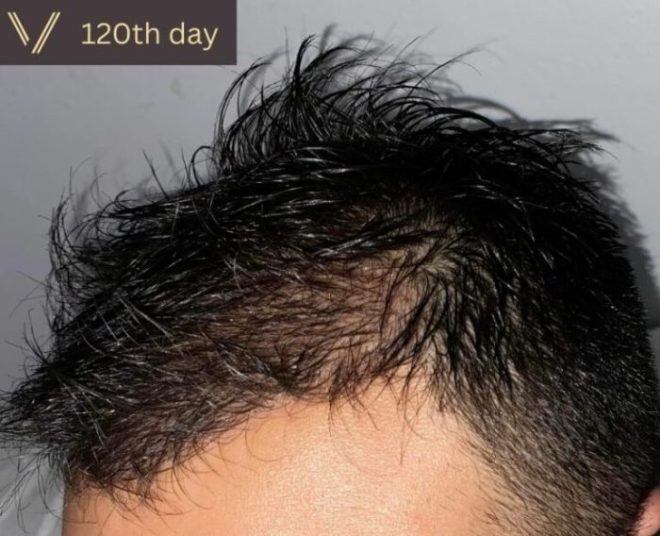
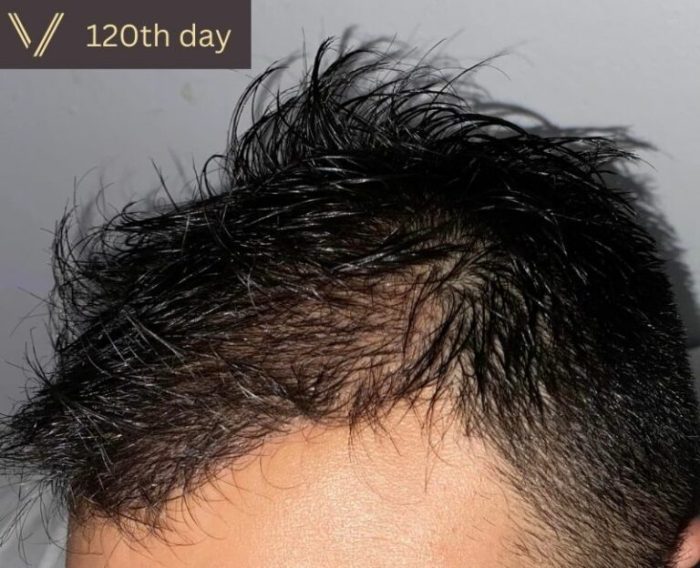
| Months 2-4 | Regrowth | New hair begins to grow; thinning may still be noticed. |
| Months 6-12 | Full Growth | Hair thickets and fuller results become visible, reaching maturity. |
It’s essential to recognize that individual hair growth varies based on genetic factors, overall health, and adherence to post-care instructions.
Long-Term Expectations
As the years progress, patients can expect significant changes in hair density and texture. Long-term outcomes include:
- Improved hair thickness and volume over time.
- Natural-looking results that blend well with existing hair.
- Ongoing maintenance tips, such as regular trims and using quality hair care products to sustain hair health.
Understanding these long-term expectations can help individuals remain positive and committed to their hair care routines.
Psychological Impact
The journey following a hair transplant often includes emotional and psychological transformations. Patients may experience:
- Increased self-esteem and confidence as hair grows in.
- Anxiety about the eventual outcome, which is common and can be managed.
- The importance of celebrating small milestones during the recovery process.
Developing strategies to manage expectations, such as setting realistic goals and engaging with support groups, can enhance the overall experience and self-image following the procedure.